Gen Z redefines freedom as Kenya marks 62 years of independence
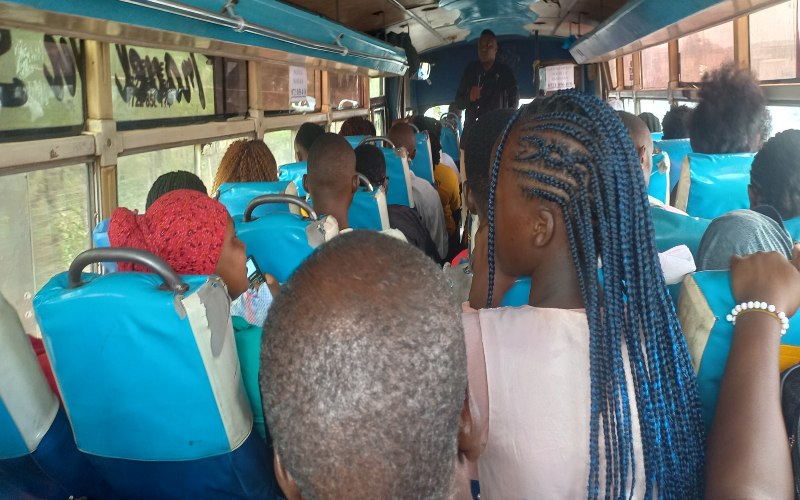
As Kenya marks 62 years of independence, many Gen Z Kenyans spend Jamhuri Day working, redefining freedom as economic stability, real choices, and relief from financial and mental pressure.
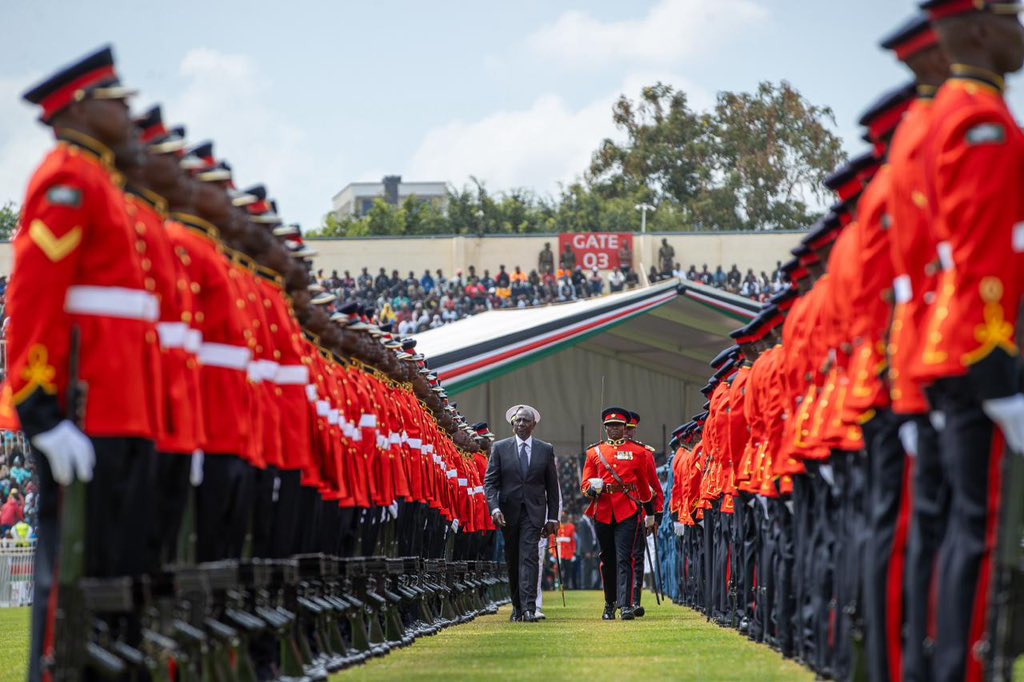
As Kenya marks 62 years of independence, a new generation is redefining what freedom means, and their version is far more complex than the patriotic speeches and military parades taking place today.
For many Gen Zs, today's Jamhuri Day celebration is less about historical victories and more about the daily struggle to build a life in a country where independence often feels symbolic rather than practical.
More To Read
- President Ruto announces plan to build 60km Nairobi–Thika Expressway
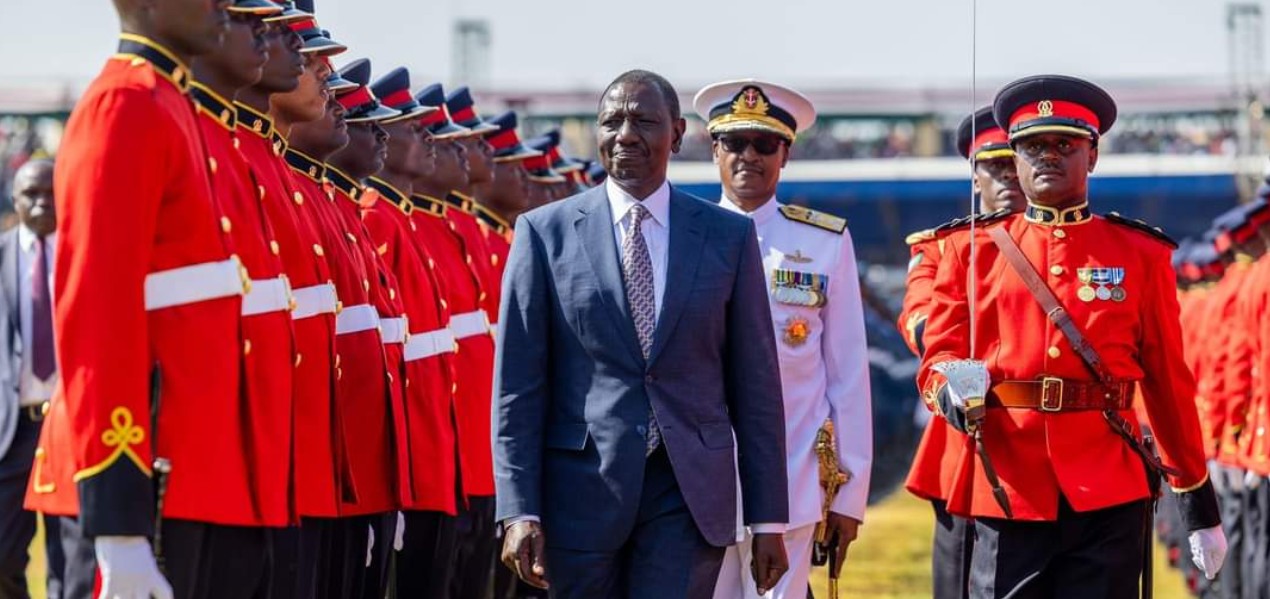
- President Ruto presides over 'Trooping of Colour' for Kenya’s elite 20 Parachute Battalion
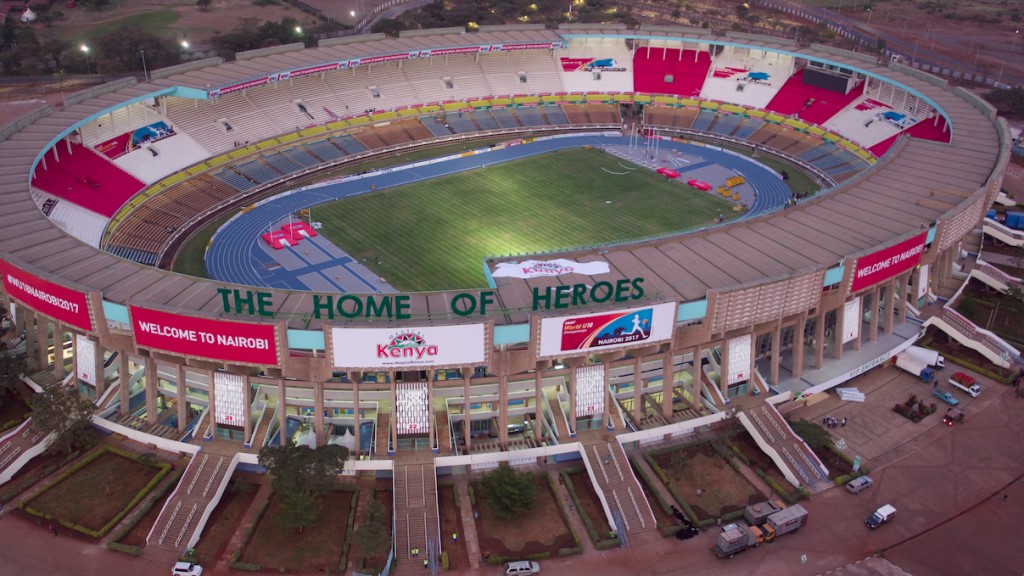
- Watch: 62nd Jamhuri Day celebrations at Nyayo Stadium
- Explainer: From Madaraka to Jamhuri, tracing Kenya’s road to freedom
- Police announce road closures, traffic diversions for Jamhuri Day celebrations at Nyayo Stadium
- Police officers returning from Haiti to be honoured at Jamhuri Day parade
Between rising living costs, unemployment, mental health issues, and the endless hustle to survive, freedom is being negotiated anew by a generation both hopeful and exhausted.
A generation working through the holiday
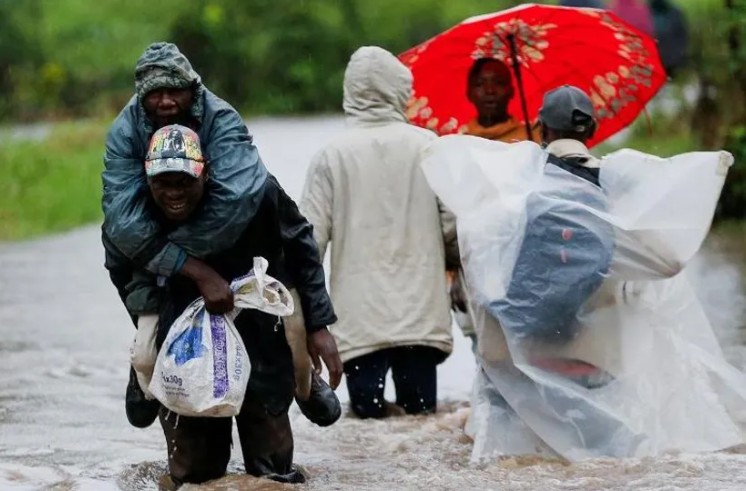
While others gather for nyama choma and family outings, thousands of young Kenyans are working through the holiday. At Gikomba, Eastleigh, and city estates, young market vendors were already arranging bales by 7:00 am today. Matatus were operating along their routes, just as on other regular Fridays.
“I don’t even remember the last time I took a holiday,” says 22-year-old Thrift seller Aisha Mohamed in Nairobi's CBD.
“Jamhuri to me means freedom to hustle. Because if you stop, rent won’t stop. At the end of the day, Ruto or nobody will come and help me sort my bills and my son's school fees. So cheers to Kenya, but what kind of country is this we are in?"
This sentiment reflects a broader economic reality: unemployment among Kenyan youth remains high, and many rely on side hustles, including content creation and mitumba sales, to riding boda bodas to stay afloat.
Unlike previous generations who viewed independence through the lens of colonial struggle, Gen Z sees freedom as the ability to make choices without battling systemic obstacles.
“We want freedom from debts, from pressure, from being told ‘just apply more,’” says Brian M., a 24-year-old digital freelancer.
“Freedom now means having options, affordable education, rent we can pay, jobs that don’t exploit us.”
A silent crisis sits beneath the surface of today’s celebrations: mental exhaustion.
Many young Kenyans say they are overwhelmed by societal pressures to appear successful on social media while privately battling financial instability.
According to psychologists interviewed previously by The Eastleigh Voice on burnout, cases of anxiety, burnout, and depression spike around the holidays due to economic realities.
“Gen Z grew up online, seeing global lifestyles in real time,” explains Nairobi-based therapist Dr Lydia Wanjiku.
“The gap between what they desire and what they can afford creates constant internal pressure. Again, most of their parents are also ageing and relying on them, so the pressure is really being felt.”
They say they feel guilty for not achieving enough, even when they’ve stretched themselves to the limit.
“We were told education is the key, now we’re told we need ten keys,” laughs Kevin Gawo, a 25-year-old job seeker.
“Jamhuri Day reminds us of independence, but sometimes we feel like we’re fighting our battles alone.”
Still, they carry an unmatched resilience despite the challenges, Gen Z remains the most hopeful and proactive generation Kenya has seen in decades.
They are building businesses out of TikTok trends, turning side hustles into brands, challenging corrupt systems, using digital platforms for activism, and pushing national conversations on gender, rights, jobs, and mental health.
Their strength is in their creativity and their refusal to settle: “We love this country. We just want it to love us back.”
Top Stories Today